
VAPT different from a security audit
How is VAPT different from a security audit? This is a common question among organizations that want to strengthen their cybersecurity posture and understand the right approach for evaluating their defenses. Although both activities focus on improving security, they have different objectives, methods, and outcomes. A security audit primarily examines whether an organization follows established policies, standards, and compliance requirements, while security testing focuses more on identifying technical weaknesses that attackers could exploit.
A security audit is generally a structured review of an organization’s security policies, procedures, controls, and governance practices. It evaluates whether security measures are properly implemented and aligned with industry regulations or internal requirements. Auditors review documentation, access controls, risk management processes, and operational practices to determine whether the organization meets specific security standards. The goal is to verify compliance and identify areas where processes need improvement.
A VAPT project, on the other hand, focuses on discovering vulnerabilities within an organization’s digital environment. It involves testing systems, networks, applications, and infrastructure to identify security weaknesses. The objective is not only to find vulnerabilities but also to understand how those weaknesses could potentially be exploited by attackers. A vulnerability assessment & penetration test combines automated scanning techniques and manual testing methods to provide a deeper understanding of security risks.
One of the biggest differences between these two approaches is their primary purpose. Security audits are mainly focused on compliance, policy evaluation, and control effectiveness. They answer questions such as whether security policies exist, whether employees follow required procedures, and whether security controls meet regulatory expectations. A security audit provides assurance that an organization has implemented appropriate security practices according to defined frameworks.
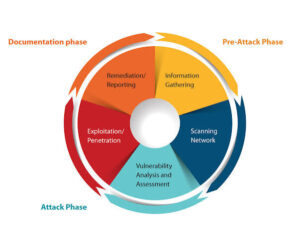
How is VAPT different from a security audit?
Security testing focuses more on practical attack scenarios. It examines whether vulnerabilities exist in real systems and how those weaknesses could affect business operations. Testers attempt to identify exploitable flaws such as insecure configurations, outdated software, weak authentication mechanisms, or application vulnerabilities. This approach helps organizations understand their actual exposure to cyber threats rather than only reviewing documented security practices.
Another difference is the testing methodology used in each process. During a security audit, professionals typically review documents, interview employees, analyze procedures, and examine evidence of compliance. The process is often based on established security frameworks and regulatory guidelines. Auditors verify whether controls are present and functioning as expected.
In contrast, security testing involves technical analysis of systems and applications. Security professionals use specialized tools and manual techniques to scan for vulnerabilities, simulate attacks, and evaluate security defenses. The process may include network testing, web application testing, mobile application testing, cloud security reviews, and infrastructure analysis. These activities provide detailed information about weaknesses that may not be visible through a traditional audit.
The reporting style also differs between the two. A security audit report usually highlights compliance status, policy gaps, control weaknesses, and recommendations for improving governance. It helps organizations understand whether their security program meets required standards. The report from a security testing engagement typically includes identified vulnerabilities, severity levels, exploitation details, and technical remediation guidance. This allows security teams to prioritize fixes based on actual risk.
Both approaches are valuable, but they serve different purposes within a cybersecurity strategy. Organizations that only perform audits may confirm that policies and controls exist but may not discover hidden technical weaknesses. Similarly, organizations that only perform security testing may identify vulnerabilities but overlook gaps in security governance and compliance processes. Combining both approaches provides a more complete view of an organization’s security maturity.
The frequency of conducting these activities may also vary. Security audits are often performed annually or according to regulatory requirements. They help maintain compliance and ensure that security processes continue to meet organizational standards. Security testing may be performed more frequently, especially after major changes such as new application releases, infrastructure upgrades, cloud migrations, or significant configuration updates.
Organizations should determine their needs before choosing between a security audit and security testing. Businesses preparing for compliance assessments may require an audit to demonstrate adherence to required frameworks. Companies concerned about cyber threats, data breaches, or application security may benefit from technical testing to identify exploitable weaknesses. In many cases, using both methods together creates a stronger security program.
Understanding the difference between these two practices helps organizations invest in the right security measures. A security audit evaluates whether security controls and processes are properly designed and implemented, while a vulnerability assessment & penetration test examines whether those controls can withstand real-world attacks. By combining compliance reviews with technical evaluations, organizations can improve their defenses, reduce security risks, and build a more effective cybersecurity strategy.