
toxic environments affect EI claims
Can toxic environments affect EI claims? Many employees facing workplace toxicity may not realize that their experiences could have implications for Employment Insurance (EI) benefits. Toxic environments—characterized by harassment, overwork, exclusion, or general hostility—can lead employees to leave their jobs, sometimes involuntarily or under conditions that could qualify for EI. However, whether a claim is approved often depends on demonstrating that leaving the position was justified due to the toxic conditions. Understanding how workplace toxicity interacts with EI regulations and being aware of Toxic work environment legal rights can help employees navigate this process effectively.
Toxic environments can take a variety of forms, from overt harassment and discrimination to systemic issues like chronic overwork, unrealistic deadlines, or lack of support from management. Employees experiencing these conditions may face declining mental and physical health, burnout, or a diminished ability to perform their job effectively. In such cases, leaving a toxic job may not be a simple choice but a necessary step to protect one’s well-being. When applying for EI, it is essential to document the impact of the toxic environment and demonstrate that continuing employment was unreasonable.
Awareness of toxic work environment legal rights is crucial when considering an EI claim. Employees have protections under labor laws that cover harassment, discrimination, and unsafe working conditions. Understanding these rights can help individuals provide evidence that their work environment was not only unpleasant but legally problematic. Documentation of incidents, communications with supervisors, and any formal complaints made can strengthen an EI claim by showing that the decision to leave was justified rather than voluntary resignation.
Can toxic environments affect EI claims?
A toxic environment can also affect EI claims indirectly. For example, an employee may experience health issues or stress-related conditions due to prolonged exposure to workplace toxicity. These health impacts, supported by medical documentation, can demonstrate that continuing employment posed significant personal risk, further supporting an EI claim. Additionally, employers who fail to address complaints or create a supportive environment may inadvertently strengthen an employee’s case, as it shows systemic neglect or mismanagement contributing to the toxic conditions.
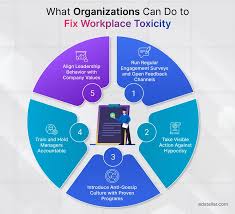
Employers have a responsibility to maintain a Can my employer change my job description without my consent? that complies with labor laws and contractual obligations. Failing to address toxicity not only affects employees’ well-being but may also have legal and financial implications, including EI claims. Organizations that ignore harassment, overwork, or exclusionary practices risk creating situations where employees leave for legitimate reasons and can successfully access benefits. Proactive measures, such as clear policies, training programs, and accessible reporting channels, are essential to prevent toxic conditions from escalating to the point where EI claims become necessary.
In conclusion, can toxic environments affect EI claims? The answer is yes. Toxic workplaces can lead employees to leave jobs for justified reasons, and understanding toxic work environment legal rights is vital in supporting these claims. Proper documentation of incidents, communication, and health impacts can significantly strengthen an EI application. Recognizing the link between workplace toxicity and EI benefits helps employees make informed decisions and ensures that they are protected when leaving harmful work environments.