
employers liable if they skip good faith determination during probation
Employment practices are designed to ensure fairness and compliance, and one critical component in many organizations is the probation period for new employees. During this period, employers assess whether the employee is a suitable fit for the role and the company culture. A common question arises: Are employers liable if they skip Good faith determination during probation? This question is especially relevant in workplaces where policies may be loosely defined or inconsistently enforced. Understanding the potential liabilities and ethical responsibilities is essential for organizations seeking to maintain both legal compliance and employee trust.
Good faith determination during probation is a process in which employers evaluate an employee’s performance objectively, honestly, and transparently. Skipping this process can create significant risks. Without proper evaluation, employees may be terminated arbitrarily or unfairly, which could lead to claims of discrimination, wrongful termination, or breach of contract depending on jurisdiction. Even in cases where employment is “at-will,” failing to conduct evaluations in good faith can damage the company’s reputation and erode trust between management and staff.
Employers rely on HR policies to guide probationary assessments and ensure consistency. These policies usually outline the steps involved in monitoring performance, providing feedback, and documenting evaluations. When good faith determination during probation is skipped, it often indicates a breakdown in HR processes. This oversight can expose the organization to potential liability because it may be difficult to justify termination decisions without documented evidence of performance issues. Courts and labor authorities may view the lack of structured evaluation as a failure to act responsibly, increasing the employer’s legal exposure.
Liability is not only a legal matter but also an ethical concern. Employees invest time, effort, and trust in their new roles, expecting a fair assessment of their contributions. Skipping good faith determination during probation undermines this trust and can lead to negative consequences beyond formal legal action, including decreased morale, higher turnover, and reputational harm. Organizations that prioritize ethical practices are less likely to face disputes, as employees feel their performance is judged fairly and constructively.
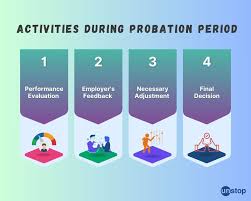
Are employers liable if they skip good faith determination during probation?
Documentation plays a key role in mitigating liability. Properly recording feedback sessions, performance metrics, and areas for improvement ensures that any decisions regarding probation are evidence-based. Without these records, employers may struggle to defend their decisions if challenged. Good faith determination during probation provides a structured framework that demonstrates accountability, transparency, and fairness. Skipping this framework can signal negligence, making the employer vulnerable to claims that decisions were arbitrary or biased.
Training managers and supervisors is another crucial element in avoiding liability. Managers who are unprepared to evaluate employees effectively may inadvertently skip steps in the probationary process. HR policies that provide guidance on conducting performance reviews, giving constructive feedback, and documenting outcomes help ensure that evaluations are consistent and defensible. Good faith determination during probation is not just a formality—it is a safeguard that protects both the employee and the organization.
In practice, failing to conduct evaluations properly can also affect the organization’s culture. Employees may perceive favoritism or unfair treatment, which can lower engagement and productivity. By ensuring good faith determination during probation, organizations demonstrate a commitment to fairness and accountability, creating a work environment where employees feel respected and valued.
In conclusion, employers do face potential liability if they skip good faith determination during probation. This liability can be legal, ethical, or reputational, depending on how the omission affects employees and the organization. By implementing clear HR policies, providing proper training, and maintaining accurate documentation, organizations can conduct probation evaluations that are fair, transparent, and legally defensible. Good faith determination during probation is a critical component of responsible employment practices, and neglecting it exposes employers to unnecessary risks while undermining trust and organizational integrity.