
Labor accommodation camps
In modern construction, mining, oil, and infrastructure industries, providing safe and comfortable housing for a workforce in remote locations is a top priority. This is where labor accommodation camps come into play. These camps are designed to meet the needs of large groups of workers, offering sleeping quarters, dining facilities, sanitation services, and recreational spaces. One of the most common questions companies have when planning projects is, “How many workers can labor accommodation camps typically house?” The answer varies depending on the size, design, and modularity of the camp, as well as the specific requirements of the workforce.
Small-scale projects or temporary sites often require camps that accommodate between 20 and 100 workers. In these cases, labor accommodation camps are designed with compact dormitory units, shared kitchen and dining facilities, and minimal common areas. Each module is carefully planned to maximize space while ensuring comfort and safety. These smaller camps are ideal for short-term projects, pilot operations, or specialized teams working in remote areas where a full-scale camp is not necessary. Despite their smaller size, these camps still provide essential amenities and comply with safety and regulatory standards, making them efficient for short-term workforce deployment.
For medium-sized projects, labor accommodation camps typically house between 100 and 500 workers. These camps are often modular, allowing multiple units to be connected to create larger living complexes. Medium-sized camps usually feature multiple dormitory blocks, communal kitchens, canteens, washrooms, recreational areas, and administrative offices. The modular design allows these camps to be expanded easily if the workforce increases or operational requirements change. By planning with flexibility in mind, companies can ensure that the accommodation remains efficient and comfortable for workers over the duration of the project.
Large-scale industrial or infrastructure projects require extensive labor accommodation camps capable of housing hundreds or even thousands of workers. For example, mining sites, oil fields, or major construction projects may have camps that support 1,000 to 5,000 personnel. In such cases, the camps are typically organized into clusters with multiple dormitory units, dining halls, medical facilities, recreation areas, and sometimes even educational or training centers. The layout of these large camps is carefully engineered to optimize space, accessibility, and safety while ensuring that workers have a functional and comfortable environment to live in during their deployment.
The design and modularity of labor accommodation camps are crucial in determining how many workers they can house. Modern camps use prefabricated units that can be configured to suit different workforce sizes. Dormitories can be single-occupancy, double-occupancy, or shared multi-bed rooms, depending on the company’s policies and project budget. By adjusting room sizes and the number of units, manufacturers and site planners can scale camps to accommodate both small and large groups efficiently. This adaptability is especially valuable for projects with fluctuating workforce numbers or those that require temporary expansion.
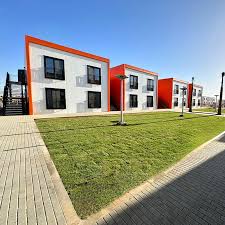
How many workers can labor accommodation camps typically house?
Another important consideration is the balance between capacity and comfort. While it is technically possible to house more workers by increasing the number of beds in a room, modern labor accommodation camps prioritize well-being and productivity. Overcrowding can lead to discomfort, lower morale, and even health concerns. Therefore, responsible camp planners often calculate space per worker according to international standards and local regulations, ensuring that sleeping areas, washrooms, and dining facilities are adequate for the number of personnel. Proper ventilation, lighting, and access to communal areas are also taken into account to maintain a high standard of living.
The type of project and duration of stay also influence the capacity of labor accommodation camps. Short-term construction sites might favor smaller, more mobile units that house fewer workers but can be quickly relocated. On the other hand, long-term projects require more permanent, large-scale accommodation with the capacity to house several hundred to thousands of workers. Facilities in these camps may include gyms, outdoor recreational areas, and medical clinics to support workers’ health and well-being over months or even years. This attention to detail ensures that the camps function as self-contained communities, not just temporary sleeping quarters.
Location and available land area also play a significant role in determining how many workers labor accommodation camps can house. In remote or difficult-to-access areas, modular designs allow for maximum occupancy without compromising safety or comfort. Modular and prefabricated construction techniques enable the creation of multi-story dormitories when land space is limited. This vertical expansion allows more workers to be accommodated within the same footprint while maintaining functionality and accessibility.
Safety and regulatory compliance are another critical factor. Modern labor accommodation camps are designed with fire exits, emergency plans, and robust infrastructure to handle large groups safely. Whether housing a few dozen workers or thousands, adherence to local and international standards ensures that every camp provides a secure and functional living environment. This focus on compliance also influences the practical capacity of each camp, as planners must allocate adequate space for communal facilities, emergency access, and safety equipment.
In conclusion, the number of workers that labor accommodation camps can typically house depends on the size, design, and modularity of the facility. Small camps may accommodate 20 to 100 workers, medium-sized camps 100 to 500 workers, and large-scale camps several thousand personnel. The flexibility of modern modular and prefabricated designs allows these camps to be tailored to project-specific requirements, balancing capacity with comfort, safety, and regulatory compliance. By carefully planning the layout and facilities, companies can provide efficient, secure, and comfortable housing that meets the demands of their workforce regardless of the project’s scale or location.