
The aquaculture industry is continuously evolving, with technology playing a vital role in enhancing productivity and sustainability. One of the most significant innovations is the sea bass harvesting system, which enables fish farmers to harvest their stock efficiently while maintaining quality and minimizing stress. By integrating automation, humane handling, and environmental monitoring, these systems ensure that sea bass are processed quickly, safely, and in compliance with regulatory standards, making them a cornerstone of modern aquaculture operations.
What Is a Sea Bass Harvesting System?
A sea bass harvesting system is a collection of specialized equipment and procedures designed to streamline the capture, stunning, and processing of sea bass in aquaculture farms. These systems typically include crowding units, pumping mechanisms, stunning devices, and transport lines, all working together to ensure efficient operations.
Unlike traditional methods, which rely heavily on manual labor or netting, modern sea bass harvesting system prioritize animal welfare, reduce physical damage to fish, and maintain high product quality. These systems are particularly valuable for large-scale operations, where efficiency and consistency are critical for profitability.
Importance of an Efficient Sea Bass Harvesting System
Efficiency and fish welfare are two primary benefits of a well-designed sea bass harvesting system. Automated processes reduce labor requirements, minimize handling stress, and enable faster processing of fish. Reduced stress not only improves fish welfare but also enhances flesh quality, shelf life, and overall product marketability.
In addition, an efficient harvesting system contributes to operational predictability and safety. Workers are exposed to fewer risks when fish are handled mechanically rather than manually. As global demand for responsibly sourced seafood grows, the adoption of modern sea bass harvesting systems is becoming increasingly essential for maintaining competitiveness and regulatory compliance.
Key Components of a Sea Bass Harvesting System
A comprehensive sea bass harvesting system comprises multiple interconnected components that ensure smooth operation. Crowding systems gently guide fish into collection areas, reducing stress and preventing injuries. Fish pumps then transfer the sea bass from pens or tanks to processing stations using water flow rather than mechanical force, preserving the integrity of the fish.
Stunning units, whether electrical or percussive, render the fish unconscious quickly and humanely, followed by bleeding stations to maintain meat quality. Some advanced systems also incorporate sorting, grading, and transport modules, providing a fully automated workflow from harvest to storage. This integrated approach ensures maximum efficiency and product quality throughout the process.
Automation and Technology in Sea Bass Harvesting Systems
Automation has revolutionized sea bass harvesting systems, making them more precise and reliable than ever. Modern systems include sensors, cameras, and programmable logic controllers (PLCs) to monitor water conditions, fish movement, and equipment performance in real time. This allows operators to make quick adjustments and avoid bottlenecks or stress points for the fish.
Some advanced sea bass harvesting systems also use data analytics to track production metrics such as fish size, yield, and overall efficiency. Automation ensures consistent operation, reduces labor dependency, and allows for a higher degree of control over the entire harvesting process, making it both economically and operationally advantageous.
Humane Harvesting and Fish Welfare
A critical aspect of any sea bass harvesting system is ensuring humane handling and welfare. Electrical stunning is commonly used because it immobilizes the fish quickly, minimizing stress and pain. Properly implemented, humane methods also result in higher quality flesh, as stressed fish tend to produce softer or discolored meat.
In addition to stunning, gentle handling during crowding, pumping, and transport is essential. Avoiding overcrowding and limiting physical contact prevent scale loss and bruising. By prioritizing welfare, sea bass harvesting systems not only comply with regulations but also satisfy the growing consumer demand for ethically sourced seafood.
Environmental Impact of Sea Bass Harvesting Systems
Sustainability is a major concern in aquaculture, and a well-designed sea bass harvesting system helps reduce environmental impact. Efficient operations minimize water consumption, prevent organic waste discharge, and reduce disruption to local ecosystems. Closed-loop water systems are often integrated into these setups to maintain high water quality while conserving resources.
Moreover, precise handling and harvesting techniques reduce accidental escapes and bycatch, protecting wild fish populations. With proper monitoring and planning, sea bass harvesting systems can support sustainable aquaculture practices while maximizing productivity, benefiting both the environment and the producer.
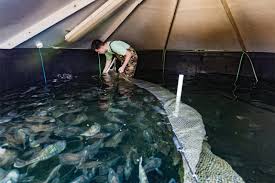
Benefits of Using a Modern Sea Bass Harvesting System
The advantages of implementing a modern sea bass harvesting system are significant. Automated processes reduce manual labor, improve processing speed, and maintain high product quality. Reduced stress during handling ensures better flesh quality, extended shelf life, and higher market value.
Additionally, these systems improve operational safety by minimizing direct contact with live fish and heavy equipment. A fully integrated sea bass harvesting system allows for better scheduling, consistent throughput, and efficient resource management. These benefits make it a valuable investment for any aquaculture operation looking to maximize profitability while maintaining ethical standards.
Choosing the Right Sea Bass Harvesting System
Selecting the right sea bass harvesting system requires careful evaluation of multiple factors, including farm size, production volume, and environmental conditions. Offshore farms may require robust pumps and transport systems capable of handling large quantities of fish, while land-based farms benefit from compact, modular systems that allow easy cleaning and maintenance.
Customizability is essential for accommodating different operational needs. Some suppliers offer modular designs that can be expanded as production scales up. Reliability, manufacturer support, and long-term maintenance costs should also be considered to ensure that the system remains effective and sustainable over time.
Maintenance and Operational Best Practices
Proper maintenance is essential for keeping a sea bass harvesting system running efficiently. Regular inspections of pumps, electrical components, and mechanical parts prevent failures during critical harvest periods. Cleaning and sanitation protocols are vital to comply with food safety standards and maintain fish quality.
Operator training is equally important. Skilled personnel can troubleshoot equipment, handle emergencies, and optimize operational performance. Many modern systems include real-time monitoring and alert mechanisms to support preventive maintenance. Following best practices ensures that the system delivers consistent results and a long service life.
Future Trends in Sea Bass Harvesting Systems
The future of sea bass harvesting systems is shaped by technological advancements, sustainability, and increased automation. Artificial intelligence and machine learning are being integrated to optimize fish flow, predict harvest schedules, and reduce energy consumption.
Robotic handling, automated sorting, and remote monitoring are becoming increasingly common, allowing farms to operate more efficiently with minimal human intervention. Energy-efficient designs and eco-friendly practices ensure that future systems not only improve productivity but also align with global sustainability goals, making them an essential part of modern aquaculture.
Conclusion
A modern sea bass harvesting system is essential for efficient, humane, and sustainable aquaculture operations. By combining automation, advanced technology, and ethical handling practices, these systems help producers maintain high-quality fish while minimizing stress, labor requirements, and environmental impact.
From crowding and pumping to stunning, bleeding, and processing, every stage benefits from a well-designed harvesting system. Investing in a reliable sea bass harvesting system ensures long-term operational efficiency, regulatory compliance, and profitability, positioning farms to meet both market demand and sustainability expectations.