
Transcranial magnetic stimulation (TMS) is a non-invasive therapy that targets specific areas of the brain involved in mood regulation. It has become a popular option for individuals seeking alternatives to traditional antidepressant medications. One common question patients ask is whether tms near me requires downtime or recovery periods, especially for those with busy schedules.
Understanding TMS and Its Impact
TMS works by using magnetic pulses to stimulate neural circuits associated with mood regulation. Unlike surgical or invasive procedures, TMS does not involve anesthesia, incisions, or extended recovery times. Most patients can resume their normal daily activities immediately after each session. Websites like tmstherapynearme.com can help locate clinics that provide detailed guidance on scheduling and post-treatment expectations.
Typical Session Experience
During a TMS session, patients are seated comfortably while a magnetic coil is positioned near the scalp. Sessions typically last between 20 and 40 minutes. Many patients describe feeling mild tapping sensations or slight scalp discomfort, but these effects are generally brief and do not require any recovery time. This lack of downtime allows patients to continue working, attending school, or managing daily responsibilities without interruption.
Safety and Minimal Side Effects
One of the advantages frequently mentioned in reviews of tms near me is the minimal side effects. Most patients experience only mild headaches or temporary scalp sensitivity, which usually resolve quickly. Unlike medications that can cause drowsiness or other systemic side effects, TMS provides a focused approach to treatment with negligible impact on overall daily functioning.
Planning Your Treatment Schedule
Although individual results and schedules vary, TMS treatment plans usually involve daily sessions for several weeks. Since no downtime is required, patients can schedule sessions before or after work or school. Clinics may also provide guidance on maintaining consistency for optimal results while managing personal and professional obligations.
Long-Term Considerations
While TMS does not require downtime after individual sessions, patients may need periodic follow-up or maintenance sessions to sustain therapeutic effects. These sessions are typically brief and integrated into daily routines without major disruption. Understanding the commitment required for the complete treatment plan helps patients set realistic expectations for both results and scheduling.
Integrating Evidence-Based Research
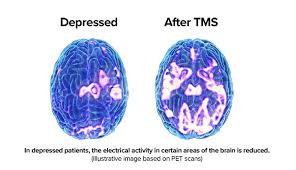
For those interested in how TMS produces its effects without downtime, exploring neuromodulation offers insight into how targeted brain stimulation alters neural activity safely and efficiently. Clinical studies support the safety of TMS, reinforcing that the therapy does not interfere with daily life while providing measurable improvements in mood.
In conclusion, tms near me generally involves no downtime, making it a convenient option for patients seeking effective, non-invasive treatment for depression. By using resources like tmstherapynearme.com to locate certified providers and understand session expectations, individuals can receive therapy while maintaining their regular routines. This accessibility and minimal disruption highlight TMS as a practical and patient-friendly approach to mental health care.